Chile: The Approval File Behind a Lit Mirror Cabinet
A container of bathroom furniture and a container of kitchens look like the same commercial exercise from the purchase order. They are not. The moment a mirror has a strip and a driver in it, one line of that invoice becomes an electrical product, and the entry file changes shape. This is the sequence a Chilean importer works through before the deposit is paid, written for the buyer rather than the broker.
16 November 2026 · CL market · Fame Industry Co., Ltd.
Two product families, two regulators, one container
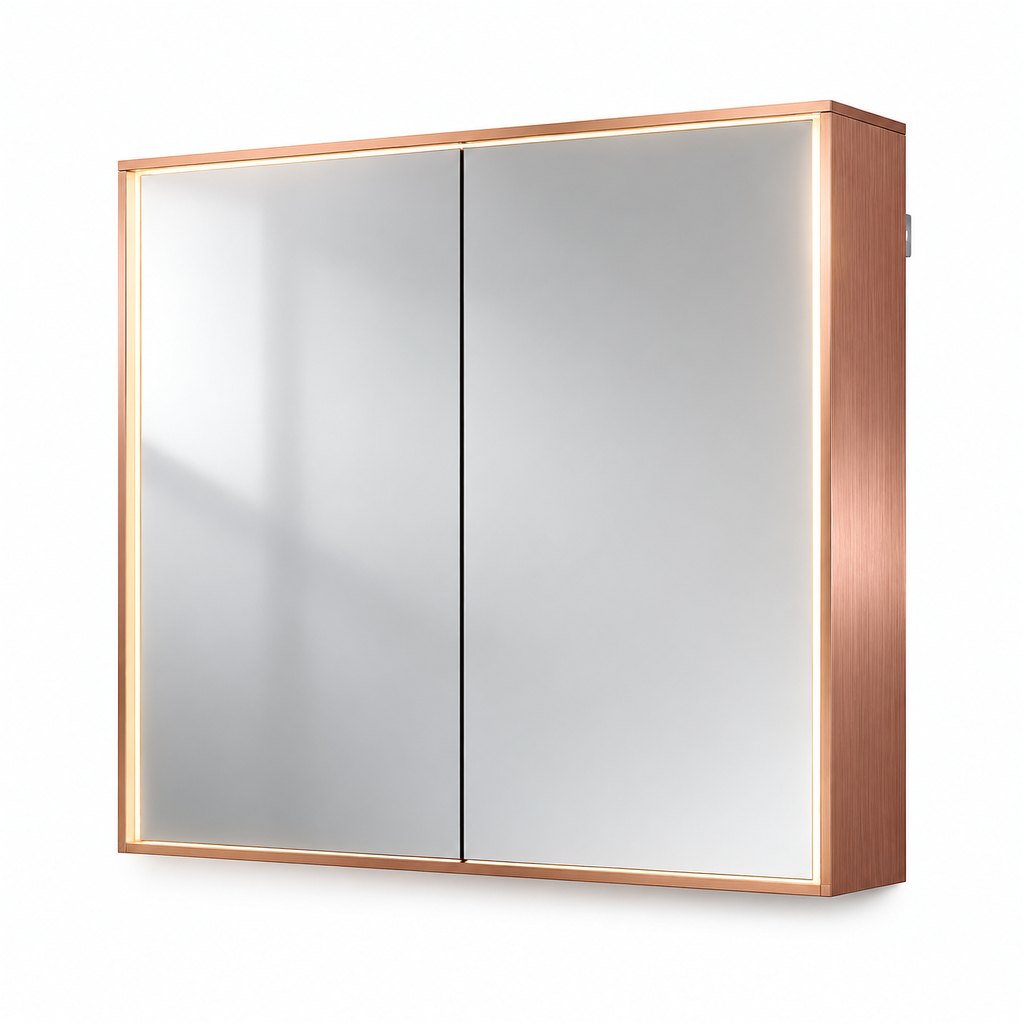
Cabinets, kitchens and basins are furniture and sanitaryware. They enter on a commercial invoice, a packing list and a certificate of origin, and nobody asks for a technical file at the port. A mirror cabinet with a strip, a sensor and a driver is a different animal: it is an electrical product sold to an end user, and Chile regulates electrical products sold to end users through the SEC. That does not make the shipment harder, it makes it earlier - the file has to exist before the goods are offered for sale, not before they are loaded.
The practical consequence is that the two product families in a mixed container run on two different clocks. The kitchen modules are ready when the cartons are packed. The lit cabinet is ready when a certification body has tested the configuration and issued a certificate naming the model, and that step has its own lead time which does not compress because the vessel sails on a fixed date.
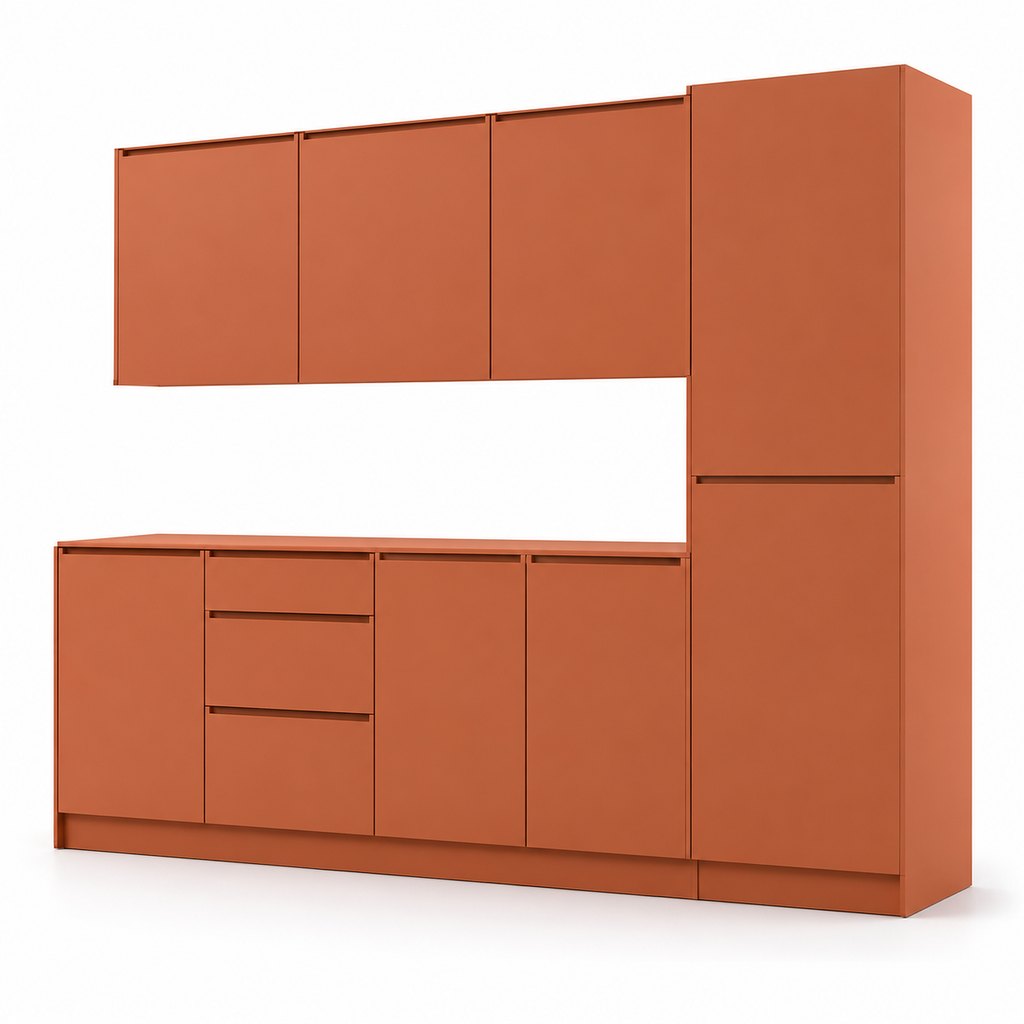
- Kitchen modules, vanities without lighting, ceramic and resin basins: commercial documents only
- Mirror cabinets with an integrated strip, sensor and driver: electrical product, approval file required
- A cabinet supplied without the lighting kit, or with the driver boxed loose for local fitment, sits on the furniture side of that line - a legitimate way to split a first order
What SEC approval is, and who actually signs it
The SEC is the Chilean superintendent that oversees electrical and fuel safety. For products, the route runs through an accredited certification body: the product is tested against the applicable IEC-based protocol for luminaires, the factory is registered, and a certificate is issued for a defined model range. Your certification body will tell you which protocol applies to a mirror cabinet with an integrated luminaire - ask that question with the exact configuration in hand, because a cabinet with a demister only and a cabinet with a strip, sensor and demister are not the same submission.
The party that matters commercially is not the factory. The certificate has to be usable by the importer of record, which means the importer's name appears in the file or the importer holds the certificate in its own right. A factory certificate that names nobody in Chile is a document, not an approval, and the first retailer who asks for the number will expose the gap.
- Name the exact configuration in the enquiry: strip wattage per metre, CCT options, sensor type, demister voltage, driver model
- Ask whether the driver carries its own certificate - a certified driver inside an uncertified cabinet is a smaller submission than an uncertified driver
- Ask for a certificate that covers the finish variants you intend to range, or accept that a second finish may be a second submission
The label, the instructions and the model code that must match
A Chilean retailer will check three things on the first delivery: the label is in Spanish, the instructions are in Spanish, and the model code on the label is the model code on the certificate. The third one is where shipments actually fail, because a factory that renames a product for a customer - LM800 in the catalogue, something else on the carton - has silently invalidated the file the importer paid for.
Put the label artwork into the purchase order as an approved document, the same way you would treat a packaging dieline. It should carry the model code, voltage and frequency, wattage, ingress rating, the certificate reference and the importer's name and address. Then check the first production label against that artwork with a photograph before the container is sealed, not after it lands.
- Model code identical on label, certificate, carton and invoice - one code, four places
- Spanish for the label, the instructions and the warranty text; English-only inserts are a retail problem, not a customs one, which makes them easy to miss
- Importer name and address on the product label, because the importer is the party the buyer will call
220 volts, 50 hertz, and how the cabinet is connected
Chile runs 220 V at 50 Hz, which is the same nominal supply the export version of these cabinets is built for, so the voltage question is usually a non-issue and the connection question is where the work sits. A wall-hung lit cabinet in a bathroom is normally hardwired from a switched spur outside the wet zone, with the supply entering through a gland in the back panel, rather than trailing a plug lead to a socket at skirting height.
That decision belongs in the specification, not in the fitter's van. Ship the cabinet with a 1.8 m supply cable and a gland, and offer a plug version as a separate SKU for the retail channel where the customer is replacing an existing cabinet on an existing circuit. Class II double insulation removes the earth requirement, which removes an argument on site about whether the spur has a protective conductor.
- Hardwired via a switched spur outside the wet zone: the project default, and the reason the cable enters through a gland
- Plug version as a separate SKU for retail replacement, clearly labelled, so the two are never mixed in one pallet
- Class II construction, IP44 at the door line and the driver box, and a driver that is serviceable from the front without removing the cabinet from the wall
Six percent duty, nineteen percent IVA, and the freight in the base
Chile applies a 6 percent general ad valorem rate to most industrial and consumer goods, and 19 percent IVA on top. The detail that catches first-time importers is the base: IVA is charged on the customs value plus the duty, and the customs value is CIF, so the international freight and insurance you paid are inside the number that gets taxed twice over. On a heavy, low-value-per-cubic-metre product like cabinetry, freight is a large share of CIF, and that share is what makes an FOB-versus-CIF comparison misleading.
Run the arithmetic on your own freight quote rather than someone else's: duty equals 6 percent of CIF, IVA equals 19 percent of CIF plus duty, and the cash you need at entry is duty plus IVA plus the broker's charges. The IVA is recoverable against sales for a registered importer, the duty is not, which is why the duty line is the one that has to be absorbed into the shelf price.
- Duty = 6 percent of the CIF value
- IVA = 19 percent of the CIF value plus the duty
- Freight and insurance sit inside CIF, so a cheaper FOB with a worse sailing can lose to a dearer FOB with a direct service
- Confirm the tariff classification with your broker per product family; a mirror cabinet, a kitchen module and a ceramic basin are not one line
Cube allocation: nothing on this order is weight-limited
Both families in this shipment run at roughly 159 kg per cubic metre. A 40HQ fills at about 68 m3 of usable cube, which lands around 10 to 11 tonnes against a payload above 26 tonnes. In other words the container is never heavy - it is always full. Planning a mixed load is therefore an allocation exercise in cubic metres, decided by what the distributor can sell in the first quarter rather than by tonnage.
The mirror cabinet carton is 0.139 m3 at 22 kg and the kitchen run is 0.74 m3 across nine cartons at 118 kg. Forty kitchen runs plus 270 mirror cabinets fills 67 m3 and lands near 10.6 tonnes, which is a defensible first container for a distributor testing both categories. What it is not is an excuse to load mirrors under kitchens: the cartons stay upright, they go at the door end, and they never carry a load on the glass plane.
- 68 m3 usable cube per 40HQ; 28 m3 per 20GP
- 480 mirror cabinets or 88 kitchen runs as single-SKU loads
- Mixed: 40 runs plus 270 cabinets fills 67 m3 at about 10.6 t
- Mirror cartons upright, at the door end, never beneath kitchen cartons, with desiccant in the container
Sequencing the first order: sample, file, then the container
The sequence that avoids the expensive mistakes is short. Sample first, and test the things a specifier will test - demister cleared area, colour consistency between the two doors, hinge sag after a few hundred cycles, and the label against the certificate. Then start the approval file on the exact configuration you sampled, and only then place the production order, because a change of driver or strip after the certificate is issued restarts the clock on the electrical side while the furniture side sails anyway.
For the kitchen modules the file is simpler and the risk sits in the board class and the pack. Get the E1 report against EN 717-2 in the documentation pack, confirm that nothing in the pack is solid wood so no ISPM 15 mark is needed, and agree the spare parts line - hinges, runners, one door per twenty runs - before the container is sealed rather than after the first complaint.
- Sample and photograph the label before the certificate is started
- Certificate on the exact configuration, model code locked in four places
- E1 report and a packing declaration stating no solid wood packaging
- Spare parts as a separate invoice line, not as samples
Questions Buyers Ask
Does a mirror cabinet with an LED strip need a Chilean certificate before it can be sold?
Can the certificate be issued in the factory's name, or does the importer need to hold it?
Will a cabinet built for 220 V work in Chile?
How much does the approval step add to the landed cost?
Want the Numbers for Your Own Program?
Send your model list, sizes and destination port — we reply within 24 hours with FOB pricing, MOQ and lead time.